


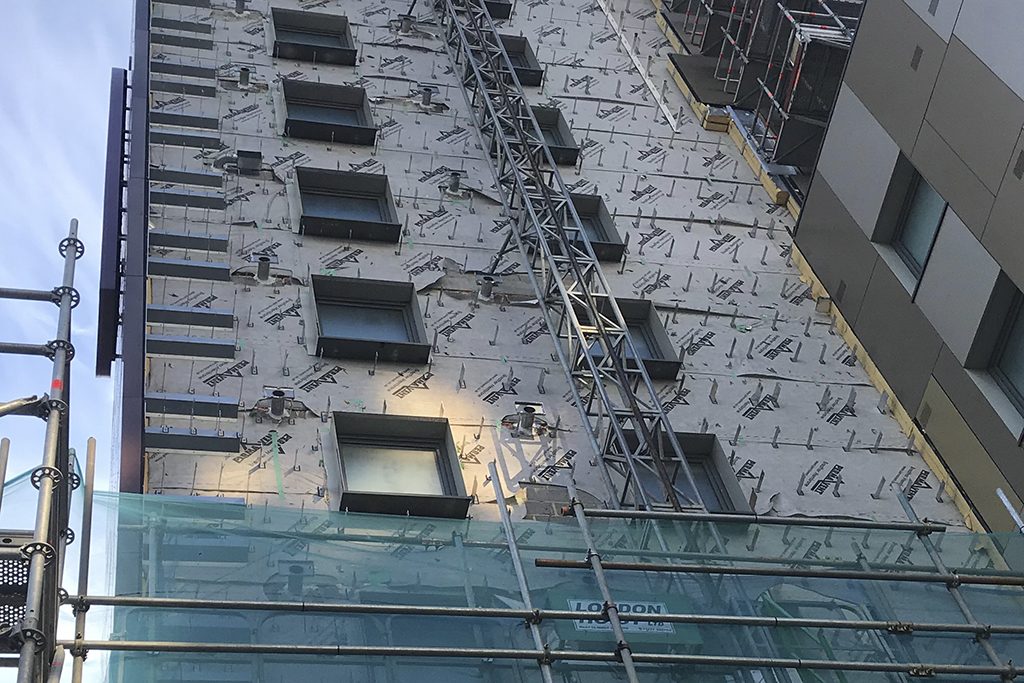
Cladding inspections have revealed further issues
- Cladding Concerns
- Aug 26, 2024
Leaseholders, Iindustry experts and associations have all discussed the extra fire safety issues discovered during cladding inspections nationwide post Grenfell.
Its a trend that can't be ignored
BBC News reported on the ‘hundreds of blocks of flats’ across both England and Wales that have been found to have ‘faulty or missing’ fire prevention measures, discovered during fire safety inspections ‘looking for evidence of unsafe cladding’ post Grenfell. Many of the problems have been discovered inside buildings, specifically with compartmentation, with flats ‘typically’ expected to have barriers between cladding and outside walls, and in internal walls to prevent fire spread.Flat owner Lucy Seker’s property, in central Manchester, was found to have cladding compliant with regulations, but other fire safety issues specifically relating to compartmentation ‘have left her and her neighbours’ facing bills of over £30,000. Insurance costs have risen by 300% alongside a 40% increase in service charges, while a fire warden for the block is also being paid for by residents.
She stated: ‘At first, I thought I’m ok, there are far worse off than me. But because of the cavity issues I’m just as much at risk from fire and living in an unsafe building. The impact has been monumental - shattering. I’ve worked hard all of my life and I now have a worthless property. Where am I going to find £30,000? I don’t feel safe in the building. If fire spread through the cavities, then how far could it get before anyone stops it?’
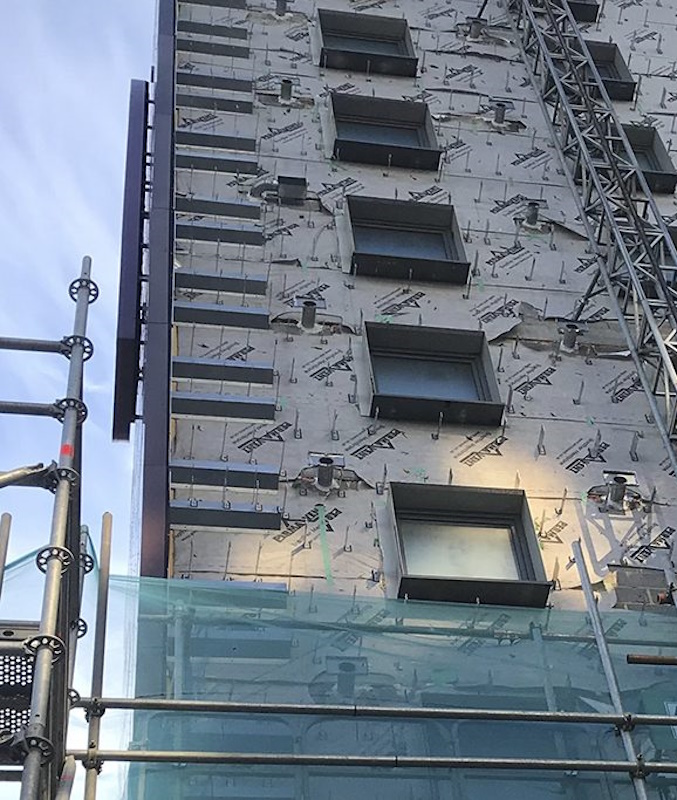
The CEO of the Association of Construction Qualifity Professionals, Gerry Sharpe has often stated 'The issue is the building may look fantastic on the outside with the cladding correctly fitted, but once you’ve taken the cladding off, what we uncover is quite a mess in many instances. After Grenfell everyone realised perhaps their buildings were not compliant with building regulations and found a necessity to undertake the intrusive works to make sure [whether] they’re compliant or not, and in the majority of cases, they are not.’
He added: ‘It is quite clear these defects are not the fault of the leaseholders and so they shouldn’t be expected to pay for compartmentation failures. The impact on residents and flat owners can only be that of yet more stress - both financial and mental. On property managers the emotional toll is proving to be massive - leaseholders are understandably frightened and angry and property managers are, in many cases, the only people that they have to hand to take matters out on.’
‘But what we still need is action for those who fall between the gap of legal and safe. Here the only answer is for government to intervene to resolve the ludicrous situation whereby remediation works fall on leaseholders and run to tens of thousands of pounds or more - rendering their flats unsellable.’
“The Ministry of Housing, Communities and Local Government said in response: ‘Building owners are responsible for ensuring their buildings are safe and residents should speak to their building owner if they are concerned. If a building contains a hazard or the measures in place do not sufficiently mitigate the risk to life from a fire, both fire and rescue authorities and councils are responsible for enforcement and can take action.’
“ The issue is the building may look fantastic on the outside with the cladding correctly fitted, but once you’ve taken the cladding off, what we uncover is quite a mess ”
Lets not Forget Grenfell
No one will ever forget the sight of Grenfell Tower burning in West London on 14th June 2017. The fire started on the fourth floor and took only 30 minutes to reach the top level of the 24-storey building.
After lengthy enquiries, it became clear that there were multiple reasons why the fire spread so rapidly, but the main focus was on the cladding installed on the exterior of the building.
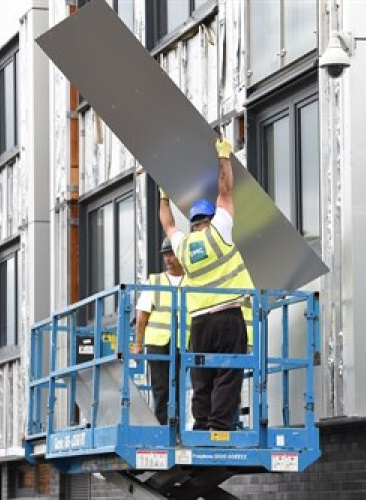
The metal cladding on Grenfell Tower was made from Aluminium Composite Panels (ACP) with a high-density polyethylene (HDPE) filler for insulation. The panels were also attached to the building with the same material. Unfortunately, this material is highly flammable, with a combustibility ratio of 25.
What is high-density polyethylene (HDPE)
Burning HDPE is capable of producing enough heat to ignite any other HDPE in close proximity. Not only that, but during the thermal pyrolysis of HDPE, the solid material turns into a burning liquid. It can quickly drip down and ignite other materials below it.
Add in the fact that aluminium is an incredible heat conductor, and conditions during the Grenfell fire were right for this metal to overheat the interior HDPE layer. When the aluminium melted and panels began to fall from the tower, the already hot HDPE easily caught fire as it was exposed to air.
The Government’s actions have helped, and lenders are now more willing to lend because of the Building Safety Act.
Failing any of these options, owners are left with no choice but to hire professionals, such as fire engineers, to assess their buildings and provide reports that meet PAS 9980:2022 from the British Standards Institute, Plus you need to ensure that any existing cladding is being used and whether or not it meets the criteria in BS EN 13501-1.
- Building Safety Act.
- BS EN 13501-1
- PAS 9980:2022
So, in December 2019, the Royal Institute of Chartered Surveyors launched the External Wall System form (EWS1), to provide lenders and buyers with proof that an assessment has been carried out on the external walls of residential apartment buildings to make sure they are suitably clad for reducing combustibility and the spread of fire.
“The EWS1 form must be completed by a fully qualified member of a relevant professional body within the construction industry with sufficient expertise to identify the relevant materials within the external wall cladding and attachments, including whether fire resisting cavity barriers and fire stopping have been installed correctly.”
In Scotland, separate EWS1s can be required on a flat-by-flat basis due to its different legal system. RICS is working with the Scottish Government to find a solution to this issue through the Single Building Assessment (SBA).

Email us to add your News
Email the News Team